
Born with a less than a 4% chance of survival, Nebraska’s ‘miracle’ quadruplets ready for 18th birthday

As nurses rushed Rachel Woollen to an Omaha operating room, all she could do was pray for the four tiny babies she was about to deliver.
"All I could say was, 'Please, God, help them.' I repeated it over and over. One nurse heard me, grabbed my hand, and told me she and everyone else on the medical team were praying the same thing."
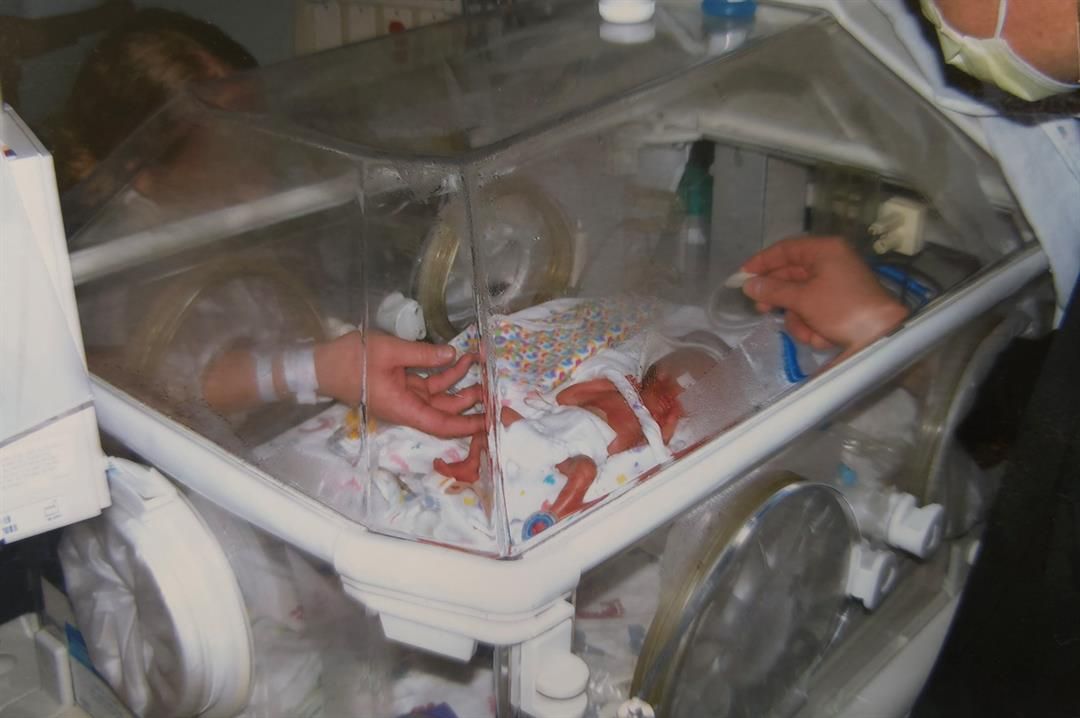
Brett entered the world at 2:04 p.m. Brother Kaden, sister Parker and brother Cooper followed within the next two minutes. None weighed more than 1.8 pounds.
The quadruplets arrived on Feb.11, 2008 — 17 weeks early and a few days before what doctors considered the edge of viability.
The odds were not on the Woollens’ side, recalled Dr. Ann Anderson-Berry, the neonatologist in charge of clinic care at Nebraska Medical Center that day. Each newborn could fit in one hand, and was about the length and weight of two large bananas.
Using national data, she determined there was a 3.4% chance that all four babies would survive. The chance of all surviving with no serious developmental issues: 0.03%.
Anderson didn't share that immediately with Rachel and her husband, Lee. "I definitely told them the quads were stable, but they were critically early ... and we expected them to be in the hospital past their (June 4) due date."
Ultimately, a mother’s prayer was answered — the Woollen babies beat the odds. A University of Nebraska Medical Center press release issued on their first birthday said they were believed to be the most premature surviving quadruplets in the world.
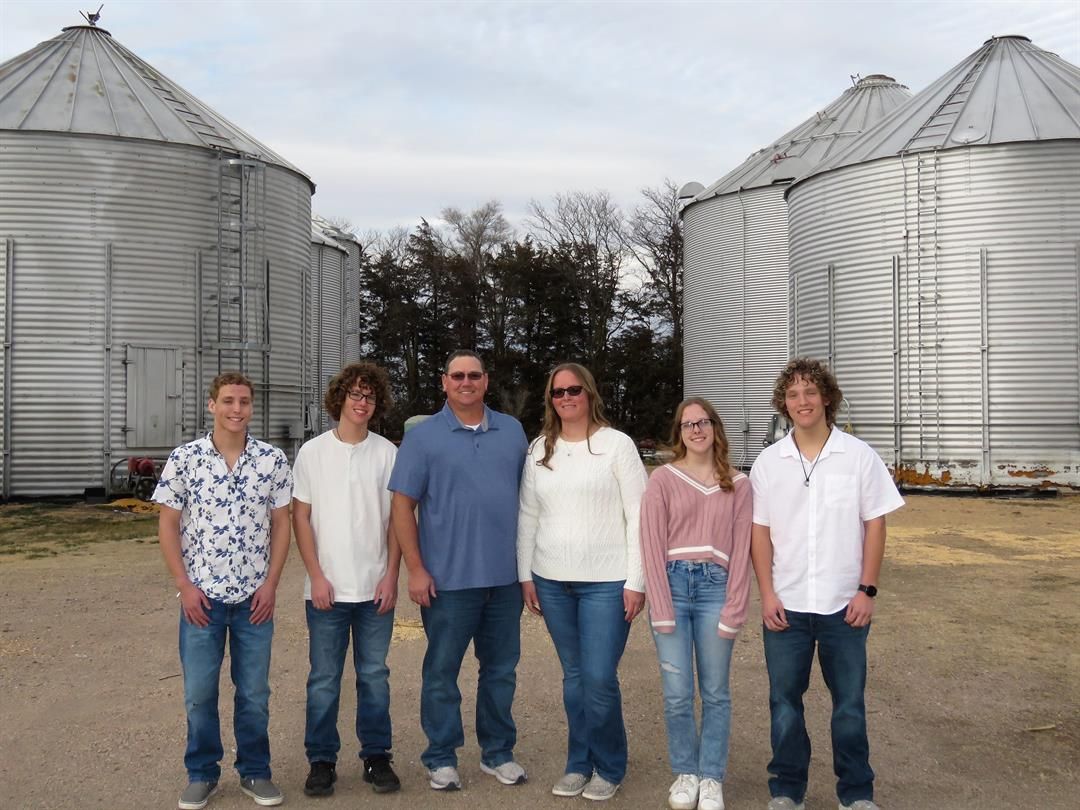
Next month, the Woollen quads will celebrate their 18th birthday. All four have their sights set on college in the fall.
"They're absolutely unique,” said Anderson, now the Neonatology Division chief at the UNMC. “They're phenomenal."
Before babies
Kearney girl Rachel and Wilcox farm boy Lee met at a Halloween party in 1999. Nearly four years later, they were married.
They bought a house in Holdrege. Rachel was a special education paraprofessional while Lee worked at a local manufacturing plant and as a Phelps County corrections officer.
After two years trying to start a family, Rachel was diagnosed with polycystic ovary syndrome, a common hormonal disorder causing infertility. She started taking different medications and eventually landed on one that worked.
"When the doctor first told us how many babies we were having, I was in absolute shock for a long time," Rachel said. "I knew we had a chance of having multiples, but I was thinking maybe twins. Quads were unimaginable."
Rachel’s pregnancy began with five babies, but one died after about eight weeks. When doctors suggested reducing the number of fetuses to two, Lee and Rachel decided that wasn't an option, despite knowing the huge risk of losing one or more babies.
"We had waited for so long to start a family, and God blessed us with four babies,” Rachel said. “We knew it was all in his hands and he would take care of all of us."
At a regular 21-week checkup, an ultrasound revealed that her cervix had shortened and she was having contractions. Rachel was immediately sent to Good Samaritan Hospital in Kearney with the goal of delaying birth until 24 weeks, at which point doctors would transport her to Nebraska Medical Center in Omaha.
Birth day
Days before reaching 24 weeks, Rachel started having frequent contractions. Then a cervical stitch meant to prevent premature birth broke. She worried she might lose all four babies.
Her doctor in Kearney made phone call after phone call seeking emergency transport to Omaha.
"The Kearney helicopter was gone, the Omaha helicopter wouldn't come because of weather, and many other hospitals with air care refused to transport me because I was in active labor with four extremely premature babies," Rachel recalled.
The doctor finally found a Sioux Falls, South Dakota, crew with a small airplane that was willing to take Rachel and Lee to Omaha. They arrived at the hospital around 11:30 p.m. Feb.10, 2008.
Less than 24 hours later, Rachel was on her way to the operating room.
"I didn't just have Rachel to worry about, I also had four tiny people to worry about," Lee said. "When they wheeled her away, I didn't know what would happen. I thought I might not only lose the kids but Rachel, too."
He and relatives who had arrived "cried, prayed and cried some more."
About 25 people worked to deliver the quads and get each baby stable in the neonatal intensive care unit, Dr. Anderson said.
"I was a mother during this period and had a young infant myself," she said. "There is nothing like being a parent to impact the care you provide in the NICU."
Lee still remembers when a nurse gave him four baby bracelets. A huge relief came over him. It faded as NICU staff explained what was in store in the days, weeks and months ahead.
The babies were supported with breathing tubes and umbilical cord IVs to administer medications.
"Parker gave me more gray hairs than the boys early on," Anderson recalled. "She was slower to gain weight and had a few more bumpy days. That usually happens with the boys."
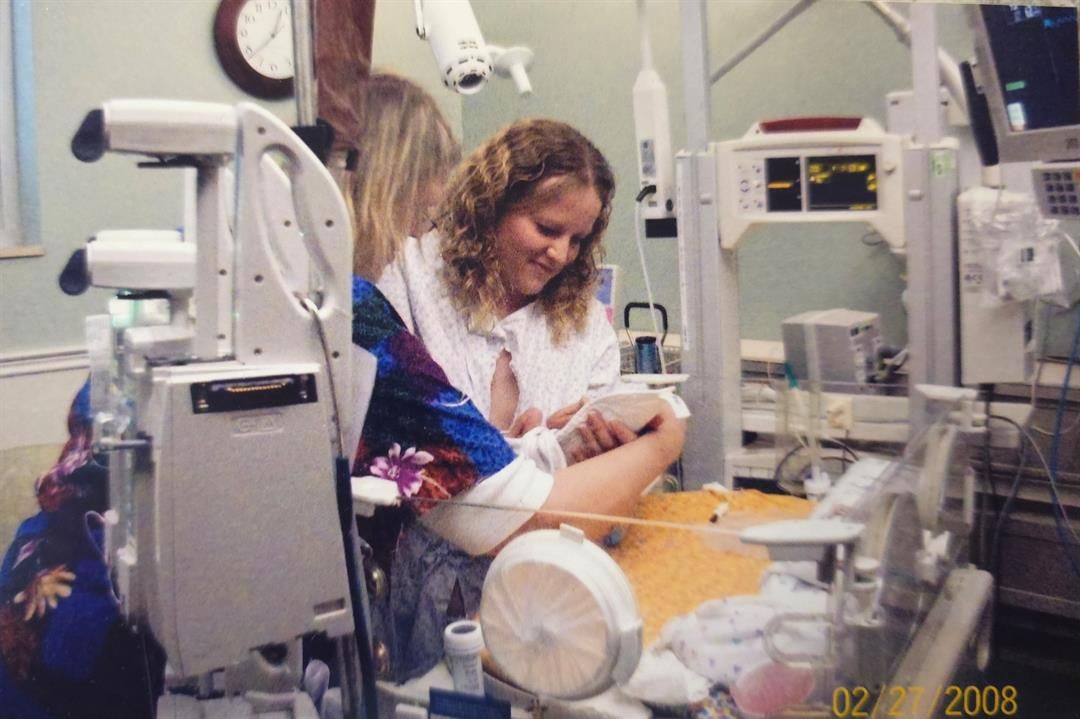
Rachel insisted on seeing her babies hours after they were born.
"I remember being absolutely heartbroken when I saw them the first time. They were so tiny and fragile looking. The nurse told me I could touch them, but I was so scared that I would hurt them. Their eyes were still fused shut and their skin was bright red and translucent," she said. "They were absolutely perfect, but so tiny."
Four months passed. Brett left the NICU on June 3, one day ahead of the quads' due date. Parker and Kaden were discharged on June 19. Cooper came home June 26 with oxygen and two monitors because of lingering breathing issues.
Raising quads
The Woollens had lots of help at their Holdrege home. Both sets of grandparents — Stan and Roma Grube, and Ron and Sue Woollen — were a regular presence. Lee's cousin Stephanie White was the quads' nanny for three years.
Other relatives, friends and neighbors pitched in when the daily routine still involved changing 30 diapers and preparing 28 bottles. Potty training took six months.
"It takes a village to raise quadruplets, and we had the best village," said Rachel, who ran an in-home day care until last summer.
The family moved to Wilcox in 2013 so Lee could be closer to the family farm southwest of town. In 2022, they moved to the farm.
Today, the quads account for 20% of the entire senior class at Wilcox-Hildreth High School. They stay busy. All four performed in the one-act play that qualified for October's state competition. Brett and Cooper are on the high school cross country and wrestling teams. Cooper and Kaden play in the school band — trumpet and alto sax, respectively. Parker loves her journalism class and photography.
"I have what I call my big book of life. I write down everything in there. Every Sunday evening, I write on a dry-erase board on my fridge all the practices, activities and meetings," Rachel said. Some days, the kids drive three vehicles to school just to accommodate the various activities.
The quads plan to celebrate their 18th birthday with friends at the Spring City Indoor Trampoline Park in Grand Island and continue a tradition of having a Super Bowl watch party with relatives and friends, since the big game always falls near birthday time.
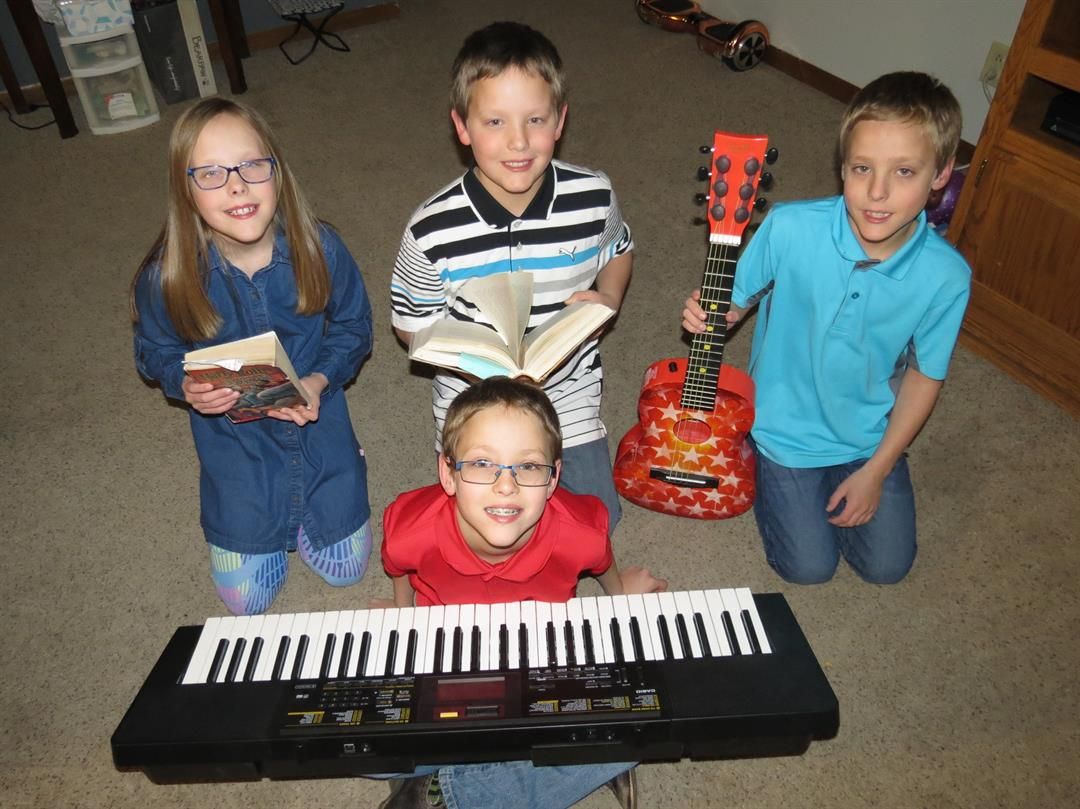
Parker and Kaden said they have come to understand their unique history as premature quads — largely because family members, area folks and others know their story.
"I have watched YouTube videos of the (Nebraska Med Center) news conferences and read other articles," Kaden said. "More and more now, it's growing on me how unique we are."
YouTube link https://www.youtube.com/watch?v=JRXecuDEI1w
Cooper said he didn't really understand the miracle part until seeing the reaction of out-of-state people who learned the quads’ story after seeing him in "The Little Mermaid" at Kearney’s Crane River Theater.
"I had someone who didn't believe me," Parker added.
So what would they like people to know about being a quadruplet?
"People always group us together and think we are the same, but we are all very different from each other," Brett said.
Kaden, the family jokester, said, "You have more reasons to get into fun shenanigans."
"Even if you argue all the time, they will step in and defend you if they need to," Parker said about her brothers.
Cooper agreed. "It definitely has its ups and downs. We do tend to fight a lot, but I know that we have each other’s backs. Out of all the people who support me, they definitely support me the most. They have been there since day one."
Empty nest ahead
Brett wants to be an emergency room or pediatric nurse partly because of how important nurses and doctors have been for his family. He plans to attend a community college to earn an associate degree as a starting point.
Kaden will attend Northeast Community College in Norfolk on his way to a career as a social worker, perhaps specializing in mental health.
Parker will study photography at Central Community College in Hastings with a goal of starting a photography business.
Cooper aspires to be a minister, but hasn't selected a college yet.
"It will be weird being apart from each other," Kaden said.
Parker said having different school and community activities means they already see less of each other. "But there's only so much you can get from your friends, and they don't know you like your siblings."
Mom and Dad are preparing for a slower pace and a little less noise. Lee joked that he might enjoy a quiet house for about 10 minutes before needing to find something to make it noisy.
They think daily about the slim odds 18 years ago of their life today. "I once thought I would have severely disabled children," Rachel said. "Or no children at all," Lee added.
"Having quadruplets has been an incredible ride. It's been the hardest, most rewarding thing we've ever done," Rachel said. "... Not many people get to experience a miracle. I've been lucky enough to watch my four miracles grow up.”
The Flatwater Free Press is Nebraska’s first independent, nonprofit newsroom focused on investigations and feature stories that matter.
